
Available 24/7301-479-5466Free ConsultationsSe Habla Español

Recent Blog Posts
Are Commercial DUIs More Serious Than Regular DUIs?

A DUI is a serious charge for any driver. For someone who holds a commercial driver's license (CDL), it can threaten their career. While there are many similarities between regular and commercial DUIs, CDL holders face stricter alcohol rules and extra licensing penalties.
If you drive for a living and you are facing a DUI charge in 2026, an Upper Marlboro, MD DUI defense attorney can explain what defense is available.
Is the Criminal Penalty Different for a Commercial DUI in Maryland?
Maryland's DUI law applies whether a person is driving a personal car or a commercial vehicle. This means the criminal DUI charge can be the same. CDL holders can also face extra penalties involving their commercial driving privileges.
Under Maryland Transportation Code Section 21-902 makes it an offense to drive while impaired by or under the influence of alcohol or drugs, no matter the reason for driving. A first DUI offense can result in up to one year in jail, a fine of up to $1,200, or both.
Will I Be Convicted if I Failed a DUI Breath Test?
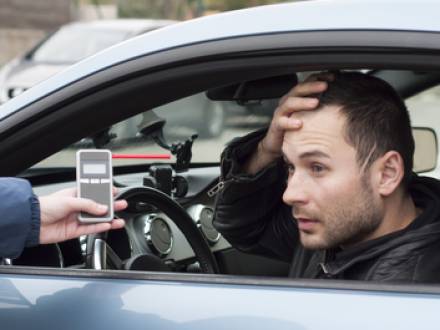 Failing a DUI breath test doesn't automatically mean you'll be convicted. The test result is just one piece of evidence. It can still be challenged based on how it was administered, calibrated, and interpreted.
If you're facing a DUI charge in 2026 after failing a breath test, our Manassas, VA DUI defense lawyers can help you understand your options. Our firm brings more than 30 years of combined experience to these cases.
Does a Failed Breath Test Guarantee a DUI Conviction in Virginia?
A failed breath test does not automatically result in a conviction. Under Virginia Code Section 18.2-266, it is illegal to drive with a blood alcohol concentration of 0.08 percent or more. It is also illegal to drive with 0.08 grams or more of alcohol per 210 liters of breath. A breath test showing 0.08 grams or more per 210 liters of breath can support a DUI charge. The prosecution still has to prove the charge beyond a reasonable doubt, though.
Can a DUI Put a Maryland Medical License at Risk?
 A DUI can put your Maryland medical license at risk. The Maryland Board of Physicians can take disciplinary action against healthcare providers convicted of criminal offenses, including DUI. It can potentially affect your ability to practice medicine altogether.
If you're a healthcare provider facing DUI charges in 2026, our Damascus, MD criminal defense lawyers can help you understand what's at stake for both your case and your career.
Why Does a DUI Affect a Medical License in Maryland?
Under Maryland Health Occupations Code § 14-404, the Maryland Board of Physicians can discipline physicians for certain conduct. The law specifically references conduct involving alcohol, including habitual intoxication or providing medical services while under the influence. Certain criminal convictions can also result in disciplinary action.
Will I Face Additional Charges if a Passenger Is Injured in a Virginia DUI Crash?
 You can face additional criminal charges if a passenger is injured in a DUI crash in Virginia. Those charges can carry penalties far more serious than a standard DUI alone. Realizing that someone in your car got hurt because of an accident you were involved in is a heavy weight to carry. This is especially true while you're also facing a criminal case in 2026. Our Sterling, VA DUI defense lawyers can help you understand exactly what you're facing. They can also start building a defense right away.
What Additional Charges Can Follow a DUI Crash With an Injured Passenger?
Virginia law allows prosecutors to file more serious charges when a DUI results in injury. This is on top of the underlying DUI charge itself. Under Virginia Code Section 18.2-51.4, a person can be charged with maiming as a result of driving while intoxicated. This applies if their impaired driving causes serious bodily injury to another person. This charge applies no matter the relationship between the driver and the injured person. A passenger, even a close friend or family member riding in your own car, can trigger this enhanced charge just as easily as someone in another vehicle.
What Mistakes Can Hurt Your DUI Defense?
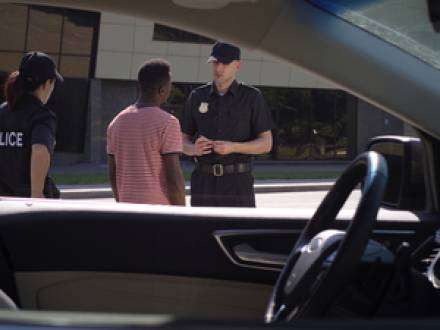 A DUI arrest does not have to lead to a conviction, but common mistakes made afterward can turn a winnable case into a lost one. Talking too much, waiting too long, or skipping important steps in the process can all seriously damage your defense before you ever walk into a courtroom. If you are facing a DUI charge in Maryland in 2026, a Clarksburg, MD criminal defense lawyer can step in right away to make sure you do not make the mistakes that cost people the most.
What Are the Most Common Mistakes That Can Hurt Your DUI Defense?
The decisions you make after a DUI arrest matter just as much as the facts of the case. Consider some common mistakes that hurt DUI defenses most often.
Talking to Police Without an Attorney Present
Speaking to law enforcement without an attorney is the single biggest mistake you can make. You might think that explaining yourself or cooperating fully will help your case. In reality, anything you say after your arrest can and will be used against you in court. You have the right to remain silent under the Fifth Amendment. Use it. Politely tell the officer you are invoking your right to remain silent and that you want to speak with an attorney. Then stop talking.
How Do Police Know if You’re High in a Virginia Drug DUI?
Unlike alcohol, drugs do not show up on a breathalyzer. There is no roadside device that an officer can hand you that produces a magic number to show you are under the influence. Virginia law also does not set a universal legal limit for most controlled substances, the way it does for alcohol.
That makes drug DUI cases both more complicated to prosecute and, in some ways, more complicated to defend. If you are faced with a drug DUI charge in Virginia in 2026, you need an experienced Chantilly DUI defense lawyer’s help.
What Virginia Law Says About Driving Under the Influence of Drugs
Virginia Code § 18.2-266 makes it illegal to operate a motor vehicle while under the influence of:
Will I Lose My License After a Second DUI in Maryland?
 A second DUI in Maryland likely will not permanently cost you your license. However, your license will probably be suspended and possibly revoked. This suspension or revocation is usually longer and harder to avoid than after a first offense.
If you're facing a second DUI charge in 2026, a Frederick, MD DUI lawyer can help you understand your options.
How Long Will My License Be Suspended for a Second DUI in Maryland?
A second DUI conviction in Maryland may result in a one-year or more license revocation. This is significantly longer than the penalty for a first offense. The exact length depends on the specifics of your case and how much time has passed since your first offense.
There are actually two different proceedings going on during a second DUI that can affect your license.
How Can I Avoid Serving Jail Time for a DUI in Virginia?
 Depending on the nature of your charge, there may be ways to mitigate jail time served for DUIs in Virginia. While the state has minimum sentences that must be served for driving under the influence, it’s worth looking into what options are available to get you out of jail and back to regular life as fast as possible.
An Ashburn, VA criminal defense attorney can review your charges and help you build a strategy to challenge the charges in 2026.
What Are the Mandatory Minimums for a DUI Conviction in Virginia?
Virginia law sets mandatory minimum incarceration periods for DUI convictions that judges cannot waive. Under Virginia Code § 18.2-270, a first-offense DUI with a blood alcohol content (BAC) between 0.08 and 0.14 carries no mandatory jail time. A BAC of 0.15 to 0.20 triggers a mandatory 5-day minimum. A BAC above 0.20 carries a mandatory 10-day minimum.
What Are the Charges for Minors Caught Driving Under the Influence of Drugs in Maryland?
 Drug DUIs are serious business for anyone, but when a minor is involved, they have the potential to be even more life-altering. If an underage person in your life was caught behind the wheel while intoxicated, you’re probably wondering how severe the punishment will be and if there’s a way to avoid major criminal charges. An Olney DUI defense attorney can help your family understand how the court will classify your case and what options are available.
What Are Maryland’s Laws About Driving While Under the Influence of Drugs?
Driving under the influence can refer to either alcohol or drug impairment, but Maryland law treats them differently. Under Maryland Transportation Code § 21-902, it is illegal for any person to drive or attempt to drive while impaired by any drug, combination of drugs, or a combination of drugs and alcohol. This applies to drivers of any age.
Can You Be Charged with a DUI for Prescription Drugs in Virginia?
 Most people think of a DUI as something that happens when someone drives after drinking. If not that, they think it’s driving after having smoked marijuana or some other drug. What surprises many drivers is that you can be charged with a DUI in Virginia for taking a legally prescribed medication. If you were pulled over and charged after taking a drug your doctor gave you, a Leesburg, VA DUI defense lawyer can help you understand what options you have in 2026.
When Does a Prescription Medication Still Qualify as a DUI in Virginia?
Virginia law covers more than just alcohol or illegal drugs in its DUI laws. Virginia Code § 18.2-266 states that it's illegal to drive while under the influence of any drug that impairs your ability to operate a vehicle safely. That includes controlled substances, over-the-counter medications, and sometimes prescription drugs that your doctor prescribed to you.

301-479-5466

Our firm provides DUI defense services to clients in Baltimore County and surrounding areas, including Towson, Dundalk, Arbutus, Overlea, Timonium, Perry Hall, Rosendale, White Marsh, Catonsville, Parkville, Owings Mills, Reisterstown, Ellicott City, Essex, Glen Burnie, Baltimore, Columbia, Annapolis, and Westminster.
Results listed are not a guarantee or indication of future case results.
30 Courthouse Square, #100A, Rockville, Maryland 20850
301-479-5466
